
✍️ Written by: Content Team | 🩺 Medically Reviewed by: Dr. Percy Van Crocker, M.D.
📅 Published: July 10, 2026 | 🔄 Last Updated: July 10, 2026
Medical Disclaimer
This article is going to provide the readers with an unbiased opinion about the Derila Ergo Pillow, the science behind it, and how true the claims are. This article is purely for general awareness and educational purposes only. It is not intended to replace professional advice, diagnosis, and treatment. If you are suffering from any illness or pain, it is better to seek the advice of a professional health practitioner. Do not consider this article as medical advice.
What is Derila Ergo Pillow and How Will It Help You Sleep Well?
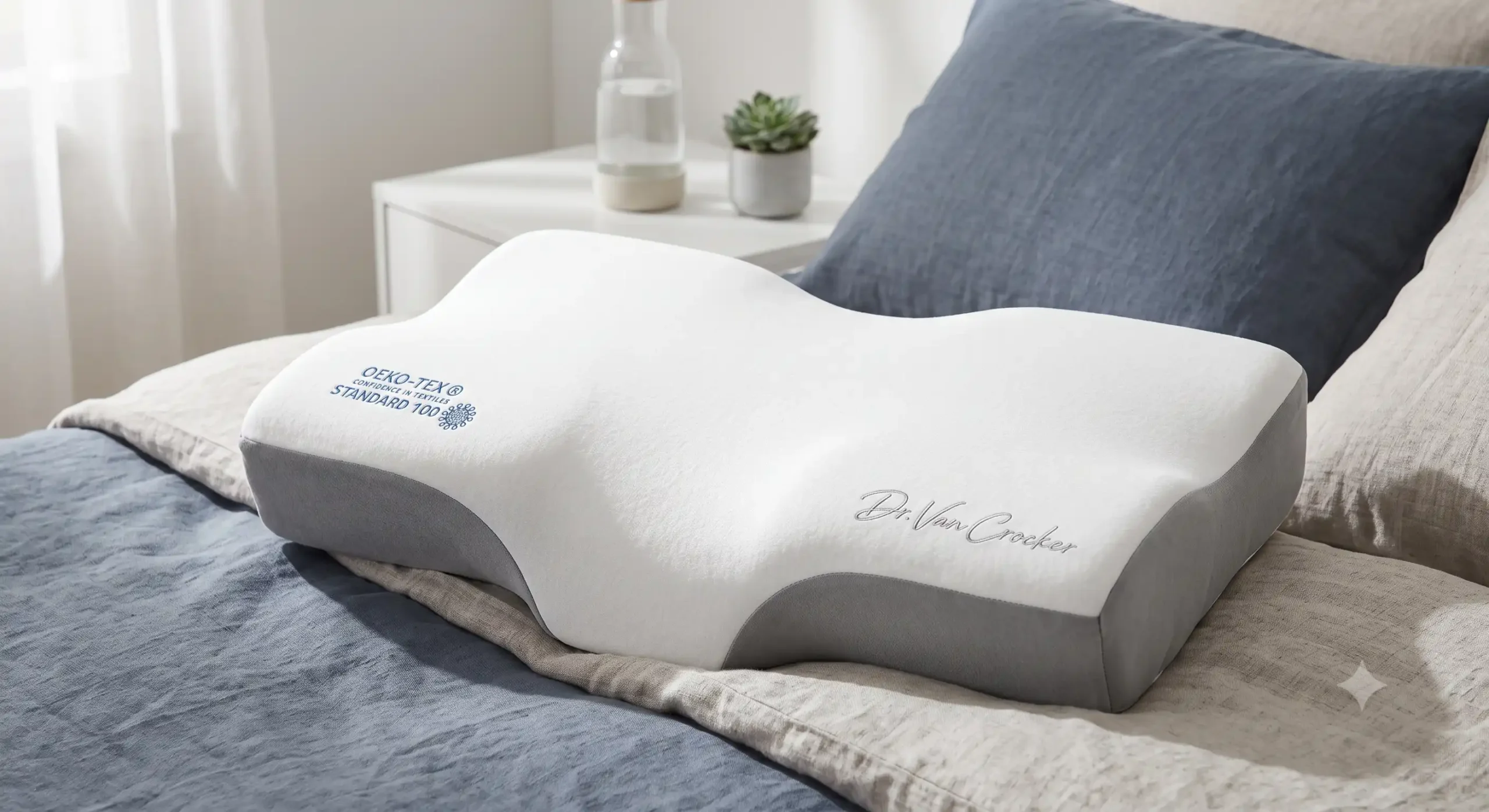
The Derila Ergo Pillow is advertised as an ergonomic pillow with a distinctive butterfly-shaped contour design. It is a memory foam neck-support pillow with a central cradle for your head and arm-support wings on the sides. And it is claimed to be made from high-density memory foam (CertiPUR-US certified, meaning it’s tested for low emissions and absence of certain harmful chemicals) and comes with a removable cooling cover. It measures roughly 21 x 14 x 4.7 inches. It claims to help your neck and spine is neutral alignment, which will reduce morning stiffness, shoulder tension, and help reduce snoring.
Why is it Important to Have the Right Pillow?
We spent almost 1/3 of our day sleeping and recovering, and a bad pillow can make your neck stiff and cause pain in your shoulders and back. A morning with a stiff neck, annoying body ache, and you are dragging your feet before your first cup of coffee.
If you are dealing with morning muscle soreness or light snoring, the fix might be as simple as how you support your head and neck. Think of it like a car’s wheel alignment—if it’s off, the whole ride is ruined. Choosing the right sleep setup isn’t just about feeling cozy; it directly affects your breathing and spinal health.
-
The Anatomy of Sleep: And How Posture Affects Your Breathing
Let’s break down the science in simple, plain English. When you get off to sleep, every muscle in your body goes into complete relaxation mode. And if your pillow is not right for you, the gravity and a bad position can team up to cause some real issues, like:
- Squished Airways: If your pillow is too thick, it forces your chin down toward your chest, pinching your airway.
- Tissue Collapse: If your pillow is too flat, your head tilts backward, causing the tongue and throat tissues to drop back. Both setups block smooth airflow, which is the perfect recipe for snoring.
- Neck Strain: When your neck lacks proper support, the surrounding muscles and ligaments work overtime all night just to keep things stable. It’s like holding a heavy shopping bag for hours on end, leading to tightness and tension headaches.
The Science Behind Memory Foam and Ergonomic Design
The sleep experts and scientists have been working on solving the science and correlation behind good sleep and the impact of the right pillow on sleep and even snoring. They have tried and tested different shapes and materials to enhance the quality of sleep. And now modern ergonomic pillows use high-density memory foam like the Derila Egro pillow, because it reacts to your body heat and pressure, meaning it literally shapes itself around the unique curves of your head and neck. Other benefits of using Derila Egro Pillow are –
- Weight Distribution: It spreads your weight evenly across the pillow.
- Pressure Relief: It wipes out the painful pressure points that usually make you toss and turn all night.
Derila Egro Takes This Little Further
It has perfected a contoured shape that not only provides support to the neck, but its smart design also provides support to the shoulders. As advertised, this specific pillow features a central hollow to cradle the back of your head, surrounded by raised sections to support the neck. This geometric shape claims to handle different sleeping styles seamlessly without needing any adjustments:
- For Back Sleepers: The center groove keeps your head at the perfect height, making sure your neck keeps its natural “C-curve” while keeping your airways wide open.
- For Side Sleepers: The raised sides bridge the gap created by your shoulder width. This keeps your neck straight and parallel to the mattress instead of bending uncomfortably sideways.
Note: I am mentioning the Derila Ergo Pillow purely as a structural example of how these pillows work based on my own experience. Everyone’s body is different, so it’s always smart to check different brands to find the exact size that fits your frame.
The Magic Behind Picking Up The Perfect Supportive Pillow
If you want to upgrade your bed setup to fix your posture, keep these practical, non-commercial tips in mind:
- Pillow Height (Loft): The thickness of your pillow should match your shoulder width. Side sleepers generally need a thicker pillow than people who sleep on their back or stomach.
- Firmness: If a pillow is too soft, your head (which weighs a whopping 10–11 pounds!) will sink right to the bottom. Look for medium-firm to firm support to keep things aligned.
- Allergy Prevention: Choose breathable, easy-to-clean materials. A washable cover prevents dust mites from settling in, which keeps nighttime allergies and stuffy noses at bay.
When Should You See an ENT Specialist or Your Physician?
Switching to a supportive, contoured pillow was a massive step toward better sleep for you, but at the end of the day, it’s a lifestyle upgrade—not a medical miracle. It is crucial to know when simple morning discomfort is actually a sign of a deeper medical issue.
You should book an appointment with a qualified Ear, Nose, and Throat (ENT) doctor if you notice:
- Loud, Constant Snoring: Snoring that happens every single night and is loud enough to wake up everyone else in the house.
- Gasping for Air (Apnea): Waking up choking, gasping, or if your partner notices that you stop breathing for a few seconds during the night.
- Severe Daytime Fatigue: Feeling completely wiped out, foggy, or nodding off during daily activities despite getting a full night’s rest.
- Chronic Pain: Ongoing neck, shoulder, or jaw pain that won’t go away even after changing your lifestyle and pillow.
The Reality Check: An ENT Specialist’s Take
Let’s cut through the marketing hype and look at the actual medical facts. Products like the Derila Ergo Pillow are often advertised as a magic cure for snoring and poor sleep.
However, from a medical standpoint, its success depends entirely on what is causing your sleep issues in the first place:
- When it works: If your snoring or neck pain is purely “positional”—meaning it only happens because your chin drops to your chest or your neck twists weirdly on an old pillow—a contoured memory foam pillow will do wonders. It stabilizes your neck and keeps your throat open.
- When it won’t work: If a patient snores because of a physical blockage inside the nose or throat—like a Deviated Nasal Septum (DNS), swollen tonsils, nasal polyps, or severe Obstructive Sleep Apnea (OSA)—no pillow in the world will fix it. These conditions require actual medical treatments, specialized devices, or surgery.
Frequently Asked Questions
Q1: Can the Derila Ergo Pillow completely cure chronic snoring?
Ans: No pillow can cure chronic snoring or sleep apnea. While an ergonomic pillow like Derila helps by holding your head at the right angle to keep airways open, it only fixes snoring caused by a bad sleeping position. If your snoring comes from nasal blockages or collapsing tissues in the throat, you need to see an ENT doctor.
Q2: Why does my neck feel a bit sore during the first few days of using a contoured pillow?
Ans: Honestly, when I first tried mine, my neck felt a little weird for the first three days! If your body is used to flat, traditional pillows, your neck muscles and spine need about 3 to 7 days to adapt to a healthy posture. This adjustment period is completely normal. However, if the soreness lasts longer than a week, the pillow might be too tall or too short for your shoulder width.
Q3: Is a contoured memory foam pillow good for stomach sleepers?
Ans: Generally, no. Contoured neck pillows are built specifically for back and side sleepers. Sleeping on your stomach forces your neck to turn sharply to one side, which completely defeats the purpose of the pillow’s ergonomic shape. If you prefer sleeping on your stomach, a very flat, traditional pillow is your best bet to avoid lower back strain.
Q4: Can a supportive pillow replace a CPAP machine for Sleep Apnea?
Ans: Absolutely not. Obstructive Sleep Apnea (OSA) is a serious medical condition where you repeatedly stop breathing while asleep. A supportive pillow is great for comfort, but it cannot replace a CPAP machine or any other clinical treatment prescribed by a doctor.
Q5: How does memory foam help with nasal allergies?
Ans: High-quality memory foam is much denser than feathers or cotton, making it incredibly hard for common allergens like dust mites to live inside it. If your nighttime stuffiness or snoring is triggered by allergies, using a hypoallergenic foam cushion with a washable cover can significantly cut down on nasal irritation through the night.